
How to Install Frost Resistant Deck Footings in Nebraska
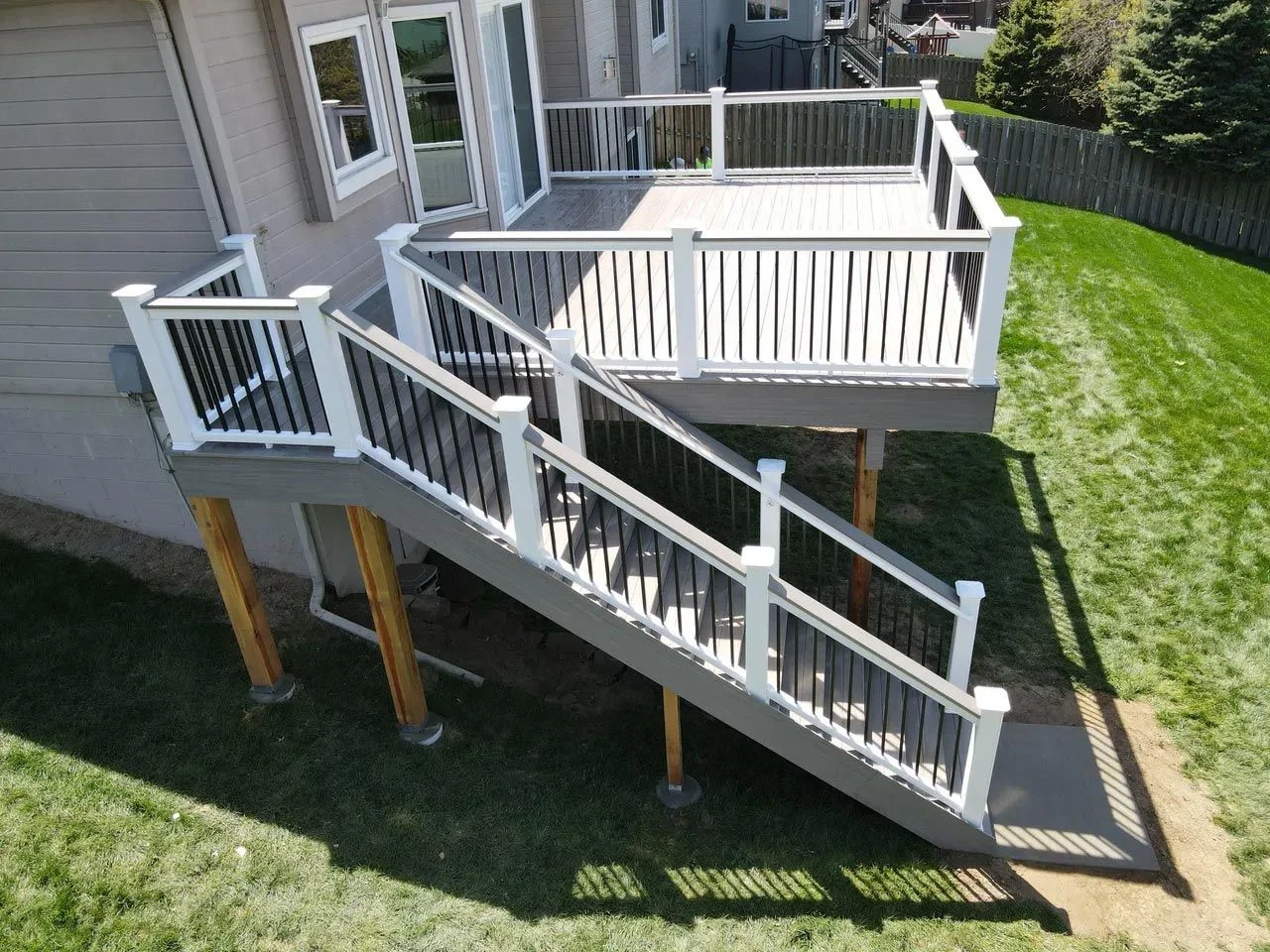
Installing frost resistant deck footings the right way is the single most important step in building a deck that survives the brutal freeze-thaw winters around Omaha, NE. When the ground freezes deep below the surface, the soil expands and contracts with every cold snap, and footings that sit too shallow get lifted right out of the earth. That movement, known as frost heave, is what causes decks to tilt, crack, and pull away from the house just a few seasons after they were built. Getting the foundation right from day one is the difference between a deck that lasts decades and one that needs costly repairs.
Understanding Frost Resistant Deck Footings in Nebraska
Nebraska's winters drive frost surprisingly deep into the ground, and that is exactly why local building codes are so strict about footing depth. In our region, footings must extend roughly 36 to 42 inches below grade so they sit beneath the frost line, the depth at which the soil no longer freezes. When a footing reaches that stable zone, the freezing and thawing happening above it can no longer push the post upward. The structure stays anchored and level, season after season.
At Big Pine Decks we pour our footings to 42 inches or deeper as standard practice, not as an upgrade you have to ask for. We treat depth as a core safety feature because a deck is only as strong as what holds it up. Shallow piers might save a contractor an afternoon of digging, but they invite the kind of structural failure no homeowner wants to discover during a snowy January.
How to Install Frost Resistant Deck Footings Step by Step
Building frost resistant deck footings is a methodical process, and each stage matters. First, we lay out post locations precisely so the footings align with the framing plan and carry the load evenly. Next, we excavate each hole below the frost line, typically 42 inches, checking for buried utilities and easements before any auger touches the soil. Once the holes are open, we inspect the soil at the bottom to confirm it is undisturbed and capable of bearing the load.
From there we set the footing forms, position rebar for reinforcement, and pour concrete to the specified volume. We confirm each footing is plumb and at the correct height before the concrete cures. Finally, post bases and anchors are fastened so the framing ties directly into the foundation. Every step is documented for the local inspection so the project stays fully code-compliant from the ground up.
Frost Line and Soil Conditions Across Eastern Nebraska
While the 42-inch depth is consistent across the Omaha metro, the soil itself varies a great deal from neighborhood to neighborhood. In Omaha, compacted urban fill and silty clay make drainage a critical factor for footing stability. Across the river in Council Bluffs, looser loess and sandy loam sometimes call for soil stabilization or helical piers to lock footings into firm ground. In Papillion and La Vista, glacial till mixed with clay and gravel near low-lying basin areas can raise the water table, so drainage and sump systems become important additions.
Because of these differences, we assess each site individually rather than applying a one-size-fits-all approach. For loose or especially frost-susceptible soils, steel framing can resist heave even better than traditional wood, adding another layer of long-term protection. Matching the footing strategy to the actual ground conditions is what keeps a deck stable for the long haul.
Choosing a Builder Who Builds Footings Right
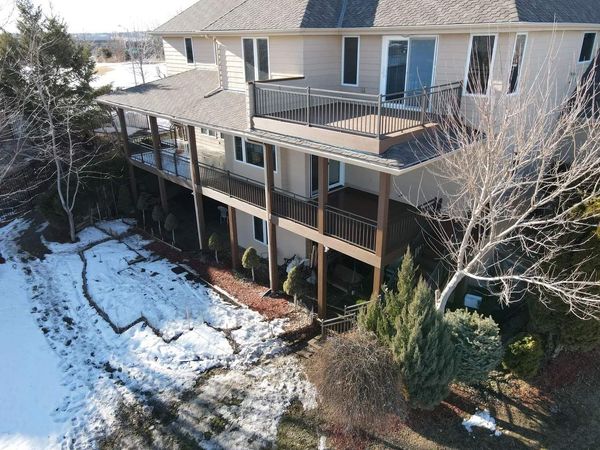
Once you understand why depth matters, finding a builder who actually delivers it becomes your next priority. Ask any contractor directly how many deck footing projects they have completed below 42 inches in the Omaha area, and listen for a specific answer rather than a vague promise. Verify that the company holds a valid Nebraska contractor license and carries both general liability and workers' compensation insurance.
It also pays to read online reviews for words like "footing," "settling," and "frost heave," which often reveal past problems. Request proof of permits and inspections from previous deep-footing jobs, and insist on a written estimate that clearly states footing depth, concrete volume, and rebar specifications. An estimate that glosses over these details may be hiding shortcuts that put your deck's stability at risk. At Big Pine Decks we are happy to share our credentials and walk you through every line of the quote.
Nebraska Building Code Requirements for Deck Footings
Footing depth in Nebraska is not a matter of opinion; it is governed by code. Local rules require deck post holes to reach at least 42 inches deep so the foundation sits below the frost line. Because our regional frost line runs from roughly 36 to 42 inches, extending to that full depth is non-negotiable. We build every footing to this minimum as standard practice, which keeps your project compliant and your deck durable.
Proper depth prevents the upward push of frost heave, the natural process where freezing and thawing ground lifts shallow supports. Without adequate depth, a deck can shift, crack, and become a genuine safety hazard. Handling these requirements correctly protects both your investment and your family, which is why we never cut corners on the part of the deck you cannot see.
Planning Your Frost Resistant Deck Project
Good planning keeps a foundation project moving smoothly. Before your consultation, it helps to have a few things ready: your property boundaries and any active HOA rules, notes about known utility lines or easements on your lot, and a simple wish list covering materials, size, and a preferred budget range. With those details in hand, our designers can finalize a layout that meets local code while matching your vision for the space.
Big Pine Decks handles every permit and code filing on your behalf across the Omaha metro and surrounding Nebraska communities, so your main job is sharing your goals and asking plenty of questions during our on-site visit. We use code-compliant framing, including treated LVL and steel, to keep your deck stable for decades. If you are ready to start with a foundation built to last, contact us for a free estimate or explore our composite deck options to see how the right materials pair with deep, frost-resistant footings.
Investing in Proper Footings Pays Off
Strong frost resistant deck footings start with depth, and depth is exactly where many decks fail. Footings that extend well below the 42-inch frost line keep freezing ground from ever lifting or cracking your structure, while shallow piers invite tilting and expensive repairs after just a few winters. When you work with our licensed, insured team, you get a foundation engineered for Nebraska's climate and a deck that stays level, safe, and beautiful for years to come.
Ready to start your project?
Big Pine Decks has crafted heirloom-quality outdoor living spaces across the Omaha metro and western Iowa for over 40 years. Family-owned, licensed & insured, and proud winners of the 2025 Best of Bellevue.